
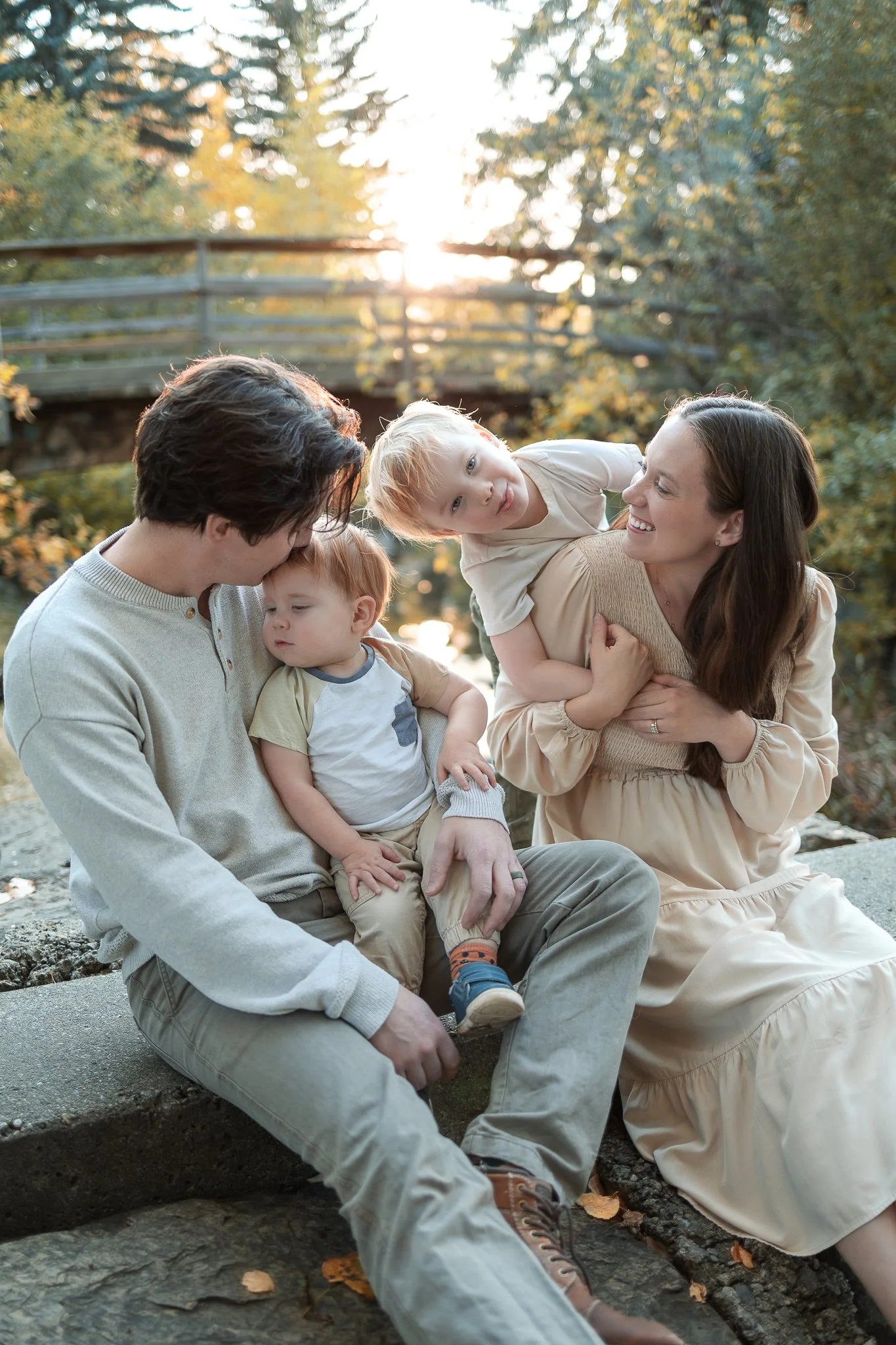
Photography can feel expensive until you remember what you are truly investing in. Photos hold the people you love, the seasons of your life, and the memories that change far too quickly. There is a reason people often say that photographs are only expensive until the person you wanted to have pictures of is gone. Once the moment is gone, the images become priceless.
With that in mind, many people still wonder why professional photography costs what it does. On the surface, it may seem like you are paying for an hour or two of someone holding a camera. In reality, you are investing in experience, time, equipment, creativity, and service that extends far beyond the moment the shutter clicks.
Here is a peek behind the scenes at what goes into the work you see and the work you never see.
1. The Time You See, and the Time You Do Not See
Your session might last twenty minutes or one hour, but the total time invested is much greater. Before your session, there is planning, scouting, emailing, location guidance, tracking the weather, preparing gear, and coordinating schedules. This includes emailing back and forth with many potential clients who inquire but never book, which is still part of running a service-based business.
After the session, there are hours spent culling, backing up files, editing, exporting, uploading, and preparing your gallery. A one hour session can easily become six to ten hours of total work. This does not include travel time.
2. Travel and Driving Time
Photographers spend a significant amount of time on the road. Traveling to and from locations, scouting new spots, driving to the mountains, and revisiting areas to confirm conditions all take time. Fuel, vehicle maintenance, parking fees, and mileage add to the overall cost of doing business.
3. Professional Equipment and Software
High quality camera bodies, lenses, memory cards, editing monitors, and backup drives are expensive to purchase and replace. There are also ongoing subscription costs for editing programs, gallery delivery platforms, cloud backup systems, and website hosting. Photographers regularly invest thousands of dollars to ensure they can create consistent, professional results for every client.
4. Skill, Experience, and Creative Vision
Photography blends technical expertise with emotional intuition. Years of learning go into understanding light, composition, weather patterns, posing, and how to help people feel comfortable in front of the camera. You are also paying for a photographer’s unique creative vision and the editing style that gives the images their personality. This artistic development requires years of practice, education, and refinement.
5. Behind the Scenes Business Costs
Being a photographer means being a business owner, and that comes with ongoing expenses that are not always visible. These include insurance, taxes, legal fees, permits for certain locations, marketing, advertising, website hosting, bookkeeping, childcare during sessions, and continuous training. These costs ensure the business can operate safely and professionally.
6. A Quick Look at Annual Costs
Every photographer will have slightly different expenses, but here is a general example of what many professional photographers pay each year just to stay in business.
Approximate yearly expenses might include:
• Gear upgrades and repairs: $1,000 to $4,000
• Editing software and gallery platforms: $600 to $1,200
• Website hosting and domain fees: $300 to $700
• Insurance and business licensing: $500 to $1,500
• Marketing, ads, and online tools: $500 to $2,000
• Fuel, parking, and vehicle wear and tear: $1,000 to $3,000
• Backup storage, hard drives, and cloud systems: $300 to $1,000
• Education, workshops, and training: $300 to $2,000
• Childcare or support during evening or weekend sessions: varies, often $1,000 to $4,000
• Taxes set aside from income: often 20 to 30 percent of revenue
Approximate total annual business expenses for a typical photographer:
Between $6,500 and $19,000 per year before taxes, and often much higher for mountain-based, travel-heavy, or full-time photographers.
This total also does not include the value of unpaid time spent emailing, planning, scouting, traveling, or communicating with potential clients who decide not to book. All of those hours are part of providing a high quality experience to the clients who do.
7. The Value of a Personalized Experience
A photographer is not just someone who shows up with a camera. They guide you through the experience, help you feel relaxed, manage the logistics, anticipate flattering light, support your kids during the session, and create an environment where real moments can unfold naturally. The goal is to give you images that feel like your family, your story, and your connection.
8. The Emotional Value of the Final Images
Photography preserves the moments you cannot recreate. Children grow quickly, seasons change, and small details fade sooner than we expect. The images you receive become part of your family story, shared with loved ones, printed in albums, and handed down through generations.
Photos gain value with time. They become the way we remember the people we love, the chapters of our lives, and the tiny details we would otherwise forget.
Final Thoughts
Beyond the fact that when you hire a photographer, you are supporting a small business, an artist, and a person who pours care, time, and intention into documenting your life beautifully, you are investing in images that will outlive the moment itself. These photographs become part of your family’s legacy, something your children will hold, your grandchildren will cherish, and your future self will look back on with full and grateful eyes.
Professional photography is an investment, but it is one that holds lasting emotional value. Sure, we all have phones and cameras in our pockets, but a phone cannot replace the connection, intuition, and artistry behind a thoughtfully crafted image. A photographer understands light, emotion, and timing, and knows how to capture the tiny expressions and fleeting interactions that you might not even notice in the rush of everyday life. These are the moments that become treasures, the ones you will return to again and again as the years move on.
